
Guide
Stratascale cybersecurity brief
In this inaugural brief our practitioners examine four recurring attack patterns showing how adversaries are increasingly abusing systems and access paths organizations already trust.
Learn more
Modern OT security assumes the adversary wants your systems. This blog explains why that assumption is no longer enough and how operators themselves have become the real target.

Every major OT security investment your organization has made is built on a shared assumption: the adversary wants your systems. You’ve invested in firewalls, network segmentation, endpoint detection, and internal monitoring. Controls designed to prevent unauthorized access and stop damage once someone gets in.
That assumption is no longer sufficient. Nation‑state actors have confirmed access inside U.S. critical infrastructure today. Known targets include energy, water, transportation, and defense industrial base environments. In many cases, these actors remain inside networks for years without disrupting operations or exfiltrating data. No alarms. No outages. Just presence.
What they learn during that time is not only technical. They learn who your operators are, who they trust, which alarms are routinely ignored, how information moves during shift change, which vendor advisories are acted on without scrutiny, and which senior operator everyone calls when something feels wrong.
This is not reconnaissance for a technical attack. It is reconnaissance for something most security programs do not account for at all.
Cognitive warfare targeting industrial operators is the deliberate manipulation of human decision‑making to produce physical outcomes. An adversary does not need to compromise your systems if they can compromise the people running them.
What this looks like in practice is rarely obvious and almost never technical:
Note: None of these actions trigger a SIEM alert. None appear in a penetration test.
Existing OT security frameworks like NERC CIP, IEC 62443, and NIST 800‑82 don’t meaningfully address this threat. They treat operators primarily as sources of unintentional error to be minimized, not as deliberate targets of adversarial activity. As a result, they fail to account for the manipulation of operator trust, judgment under pressure, long‑term shaping of decision‑making behavior, and abuse of legitimate operational processes and information flows. Operator judgment is an adversarial attack surface. This is the gap.
Until recently, cognitive operations were constrained by time and resources. Mapping trust relationships, learning a facility’s culture, and crafting technically credible influence required months of effort by skilled analysts.
AI removes those constraints. Pattern recognition across communications data can surface operator trust networks in hours. Language models can generate content that mirrors a facility’s technical language, documentation style, and operational context with a level of consistency and scale humans cannot sustain. What once required a dedicated team now requires a capable model and sufficient data.
This threat is not theoretical. It is present, and it is becoming faster and cheaper to execute.
Defending against this class of threat requires capability across five areas:
None of this replaces your existing technical security investments. It complements them. A capable adversary that cannot defeat your technical controls will look for a way around them. Your operators are that path.
Organizations that build this capability early gain a compounding advantage. Behavioral baselines, trusted reporting, and meaningful detection all take time to mature through real operational use. This is not something that can be stood up in response to a threat advisory or rushed into place during an incident.
Recent government advisories, including those on Volt Typhoon, confirm why this matters. Nation‑state actors are already maintaining long‑term, silent access inside critical infrastructure, not to disrupt, but to wait, observe, and position themselves.
The question is no longer whether this threat exists, but whether organizations are prepared to defend more than just systems. Those that fail to protect the people and decisions that keep operations running will never see the attack coming.
The shift cannot wait. Start by evaluating how your OT environment manages operational trust, decision-making, and information flow through our OT Security Assessment grounded in real-world operations. Learn more.
Practical Guidance & Threat Intelligence
Stay a step ahead of the competition–and attackers–with fresh perspectives, practical guidance, and the latest threat intelligence.
In this inaugural brief our practitioners examine four recurring attack patterns showing how adversaries are increasingly abusing systems and access paths organizations already trust.

Learn what exposure management really means and how security teams can align risk reduction with real‑world attacker behavior.
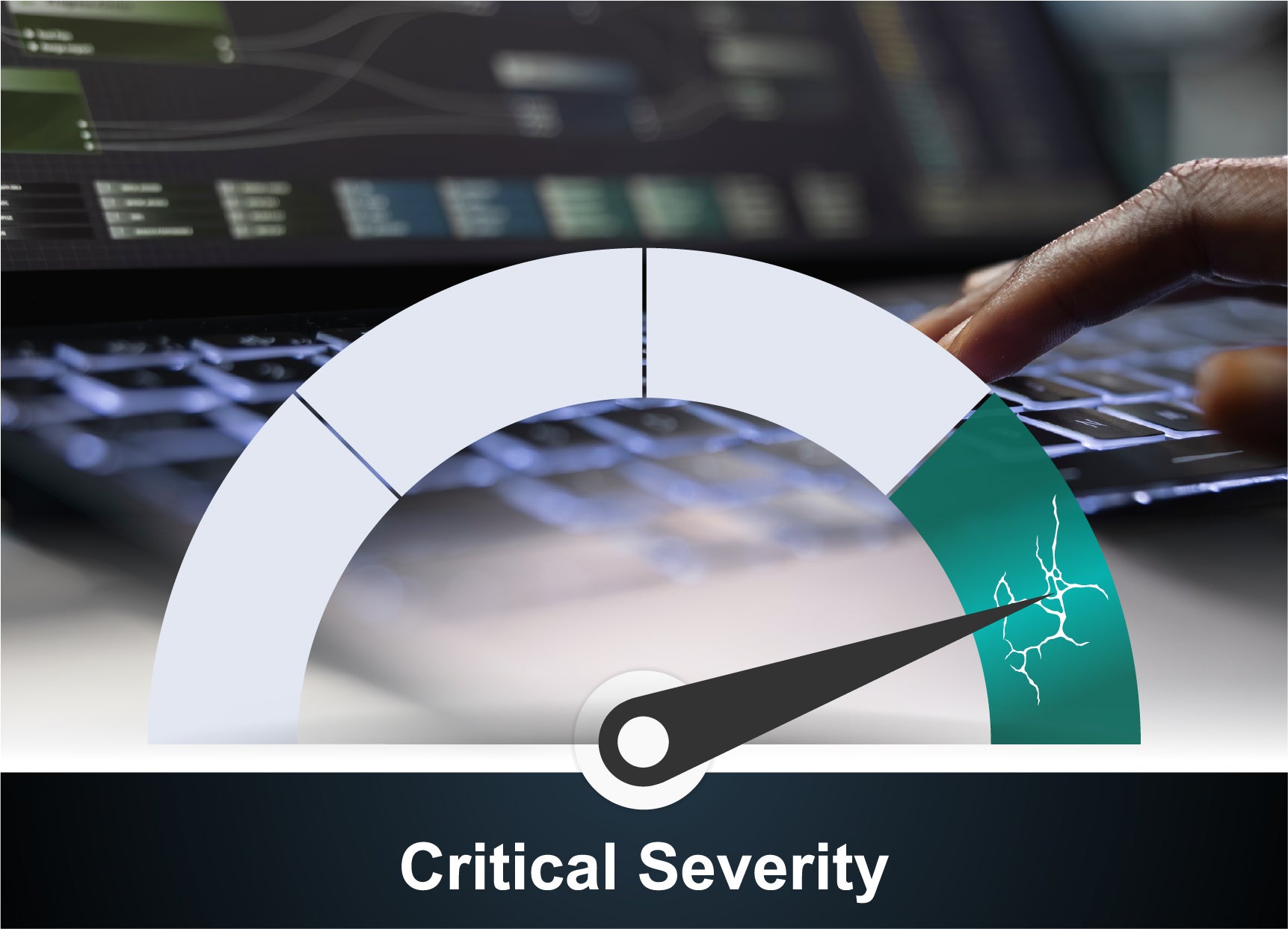
The Stratascale Cybersecurity Research Unit (CRU) has uncovered an Argument Injection RCE vulnerability in the Apryse HTML2PDF module (CVE‑2025‑56590). Read the full advisory to stay secure.

What happens when access outlives intent? This article uses a house‑sitter analogy to explain how AI agents turn lingering access and expanding scope into governance risk.
In this inaugural brief our practitioners examine four recurring attack patterns showing how adversaries are increasingly abusing systems and access paths organizations already trust.
Learn what exposure management really means and how security teams can align risk reduction with real‑world attacker behavior.